

The Ultimate Beginner’s Guide to Meal Prepping
Meal prep has become a buzzword for busy professionals and health enthusiasts alike in a short period of time. But what is it, actually, and how do you do it without losing your mind? If you’re tired of spending hours in the kitchen every day or eating fast food on a daily basis, meal prep is your solution. This guide will share everything you need to know and have you meal prep like a pro in no time.
What is Meal Prepping?
Meal prepping, in its most basic form, is cooking meals or ingredients in advance. You may do this to save time, eat more healthily, or to cater to special dietary needs. Meal prepping can range from cooking full meals for the week to just cutting up ingredients ahead of time. How much you prepare is entirely based on your goals and lifestyle.
Why Should You Start Meal Prepping?
- Save Time: Meal prep reduces daily cooking. Spend a few hours on prep for a week of meals and save time on busy weekdays.
- Save Money: Planning ahead, you can shop smarter and avoid wasteful takeout spending.
- Eat Healthier: Cooking healthy meals in advance eliminates the temptation to grab unhealthy food when time is short.
- Reduce Food Waste: Got veggies languishing in the fridge? Meal prepping allows you to plan around what you already have on hand.
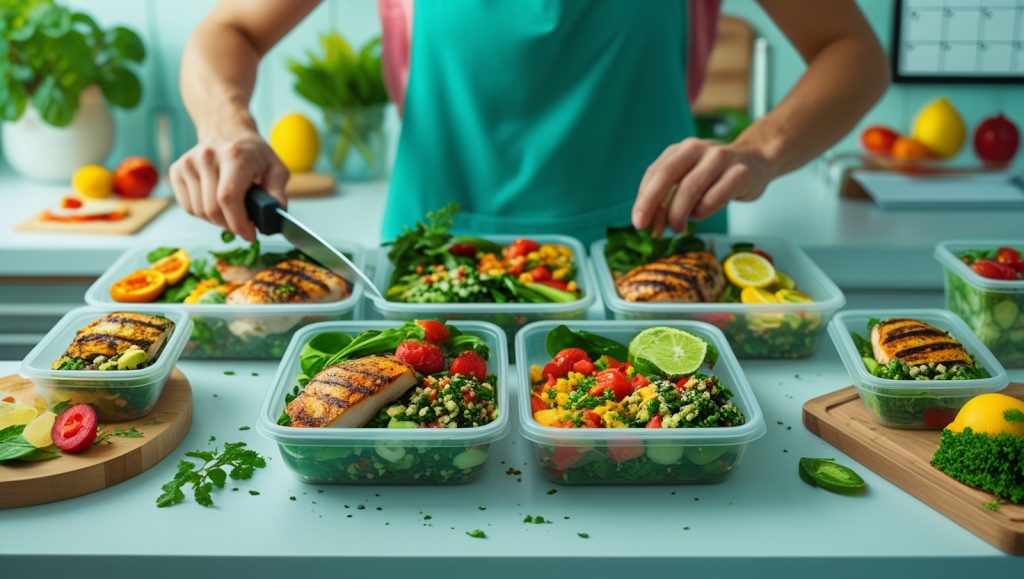
Steps to Begin Meal Prepping
Now that you know the basics, the following is a step-by-step meal prepping guide.
Step 1. Plan Your Menu
Make a menu for the week. Start with meals you already prepare and like, then add new dishes gradually. Be realistic about how many meals you’ll actually eat at home. Consider your schedule—busy days might call for quicker meals like salads or stir-fries.
Step 2. Make a Grocery List
With menu in hand, list all the ingredients you’ll need. Shop your pantry first to avoid duplication, then head to the store with purpose. Bargain stores and buying in bulk can be money-saving.
Step 3. Leave Prep Time
Designate a meal prep day. Sundays are popular, but pick what works best for you. Prepare ingredients for recipes (chop vegetables, cook grains, marinate proteins), batch cook meals, or assemble grab-and-go items to simplify your week.
Step 4. Invest in Storage Solutions
Use a mix of larger containers for full meals and smaller for pre-portioned snacks. Stackable containers will maximize fridge space, and labeled bags or jars can turn meal sorting into a cinch.
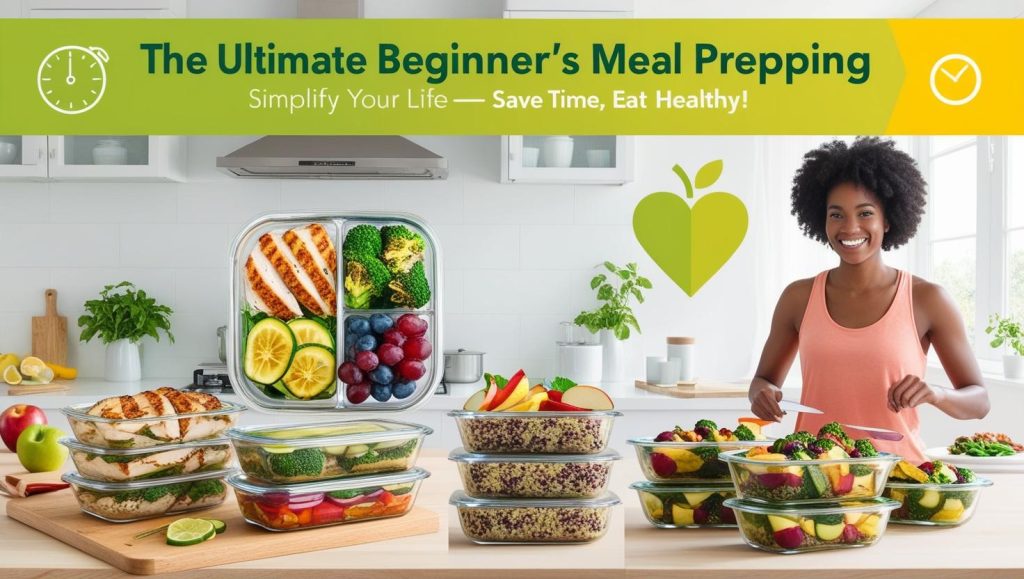
Step 5. Mix and Match Ingredients
Avoid meal prep burnout by choosing multi-use ingredients. For example:
- Roasted vegetables can become grain bowls, wraps, and omelets.
- Cook extra quinoa to use in salads, soups, or as a base for hearty bowls.
- Keep sauces or dressings separate to add variety to similar ingredients.
Step 6. Start Simple and Build Up
New to meal prepping? Start with just one meal per day—like prepping lunches for the week. Once you’re comfortable, gradually expand to breakfasts, snacks, or even dinners.
Expert Tips for Mastering Meal Prepping
- Keep It Balanced: Aim for a mix of protein, healthy fats, and complex carbs in each meal.
- Batch Cook Staples: Batch-cook staples like rice, quinoa, roasted chicken, or boiled eggs to keep your options available.
- Don’t Fear Repetition: Repeat meals are okay. Dress them up with different sauces or spices to switch it up!
- Use Seasonality: Add fresh, seasonal vegetables to bring variety without spending a fortune.
How to Stick with It
Be consistent. Like any new habit, meal prepping can be a little overwhelming at first. But here’s the thing: the more you prep, the more it becomes second nature. Take it one step at a time and celebrate progress—however that looks, whether that means finding time to prep lunches for the week or mastering recipes that your family loves.
Frequently Asked Questions About Meal Prepping
New to the game or an old pro looking to level up the routine? Below are some of the most frequently asked questions about meal prepping.
- Do I Need Specialized Equipment for Meal Prepping?
No, meal prepping does not require a huge startup investment. Basic kitchen tools like a cutting board, chef’s knife, storage containers, and a slow cooker or Instant Pot are already sufficient. Over time, you might want to invest in a food scale or advanced blender for more involved prepping.
- How Long Does Meal Prepping Take?
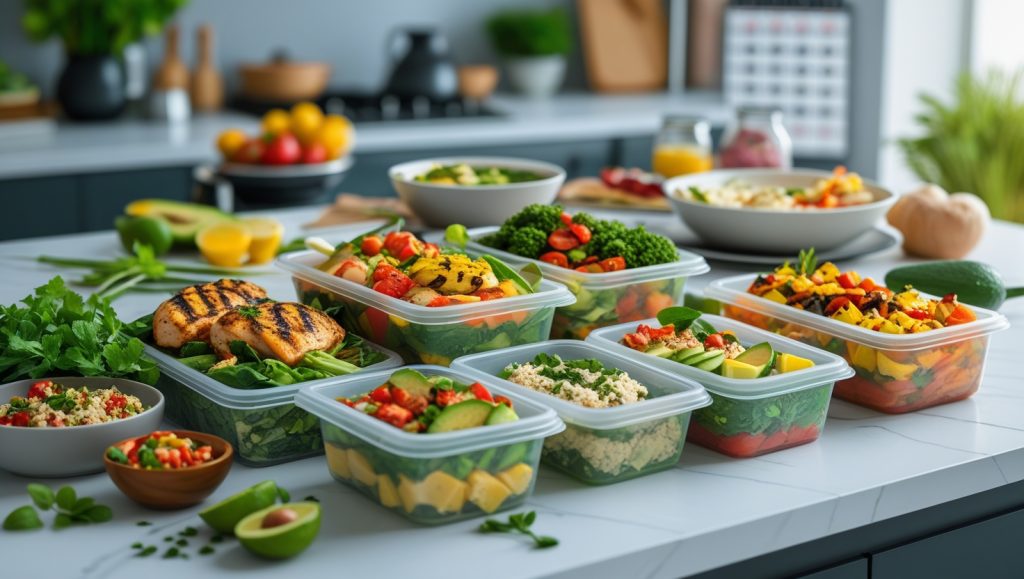
It depends on how much you’re prepping. A speedy prep session to chop veggies or pre-marinate proteins can be 30 minutes. Prepping full meals for a week can be 2–3 hours. The more you do it, the faster you’ll become! Attempt to schedule a block of time on weekends to accomplish everything at once.
- What Kinds of Meals Can I Prep?
Meal prep can be accommodated with almost any meal. Here are some of the most popular ones:
- Breakfast: Overnight oats, frittatas, or pre-mix smoothie packets.
- Lunch/Dinner: Rice bowls, chicken and roasted vegetables, or soups that can be freeze.
- Snacks: Trail mix in individual bags, yogurt parfaits, or sliced fruits and vegetable sticks with hummus.
- How Do I Store Prepped Meals?
The key to success is storage. Airtight containers, mason jars, or reusable silicone bags will keep food fresh. Glass containers are perfect as they are microwave-safe and eco-friendly. Some helpful tips are:
- Keep perishables in the fridge for 3–4 days at most.
- Freeze meals or ingredients for extended storage.
- Date containers for ease of organization.
Level Up Your Meal Prep Game
Meal prep is a time-saver and more; it’s a lifestyle adjustment that can help you eat healthier and stay on track. Now that you have the ultimate beginner’s guide in your hands, it’s time to implement it. Need more help? Check out our free meal prep templates or look up easy recipes on our site.
Transform the way you think about cooking and learn how meal prepping can revolutionize your routine. You can do it!